November 16, 2026
Wildlife plays an important role in the environment, but animals that venture too close to homes and businesses can create unexpected problems. From damaged landscaping and contaminated spaces to structural concerns and safety risks, unwanted animal activity can affect several areas of a property. Recognizing the signs of wildlife activity helps property owners understand when professional assistance may be necessary. With appropriate wildlife management, property owners can address animal intrusions while reducing the likelihood of recurring problems.
Recognizing Landscape and Vegetation Damage
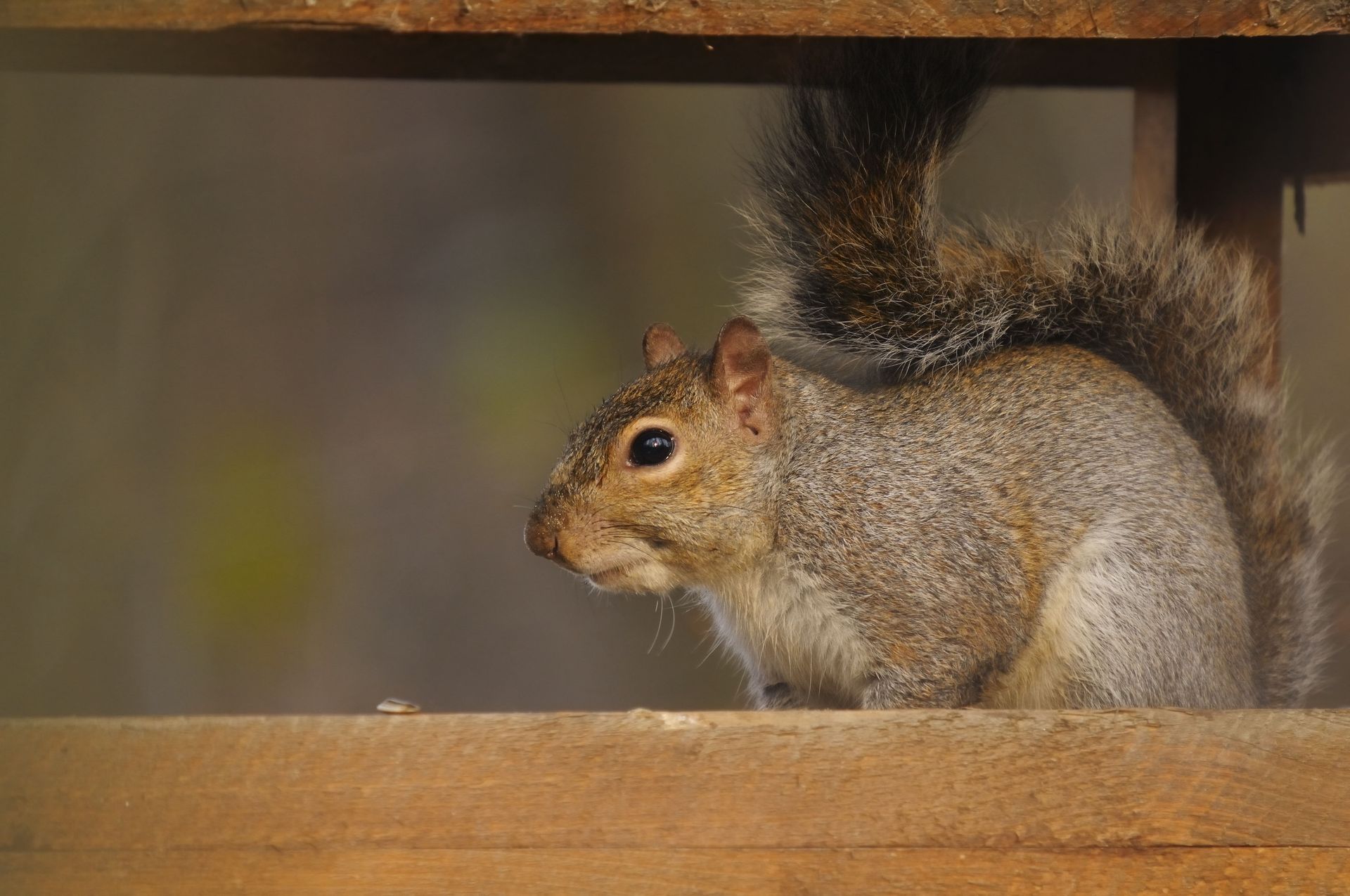
Animals that burrow, forage, or feed on vegetation can significantly change the appearance and condition of outdoor spaces. Groundhogs, moles, and other burrowing animals can disturb lawns and gardens by creating tunnels, holes, and raised areas of soil. Deer, rabbits, and squirrels may also damage ornamental plants, shrubs, and other vegetation while searching for food. These activities can affect landscaping and create additional maintenance needs for property owners.
Gardens, agricultural areas, and other planted spaces are particularly vulnerable to wildlife activity. Deer and rabbits may feed on fruits, vegetables, and young plants, while squirrels and other rodents can disturb gardens and consume available food sources. For agricultural property owners, these problems can affect productivity and create financial concerns. According to the U.S. Department of Agriculture, predators cause an estimated $232 million in losses for livestock producers annually, demonstrating the financial impact wildlife can have on agricultural operations.
Identifying Structural and Property Damage
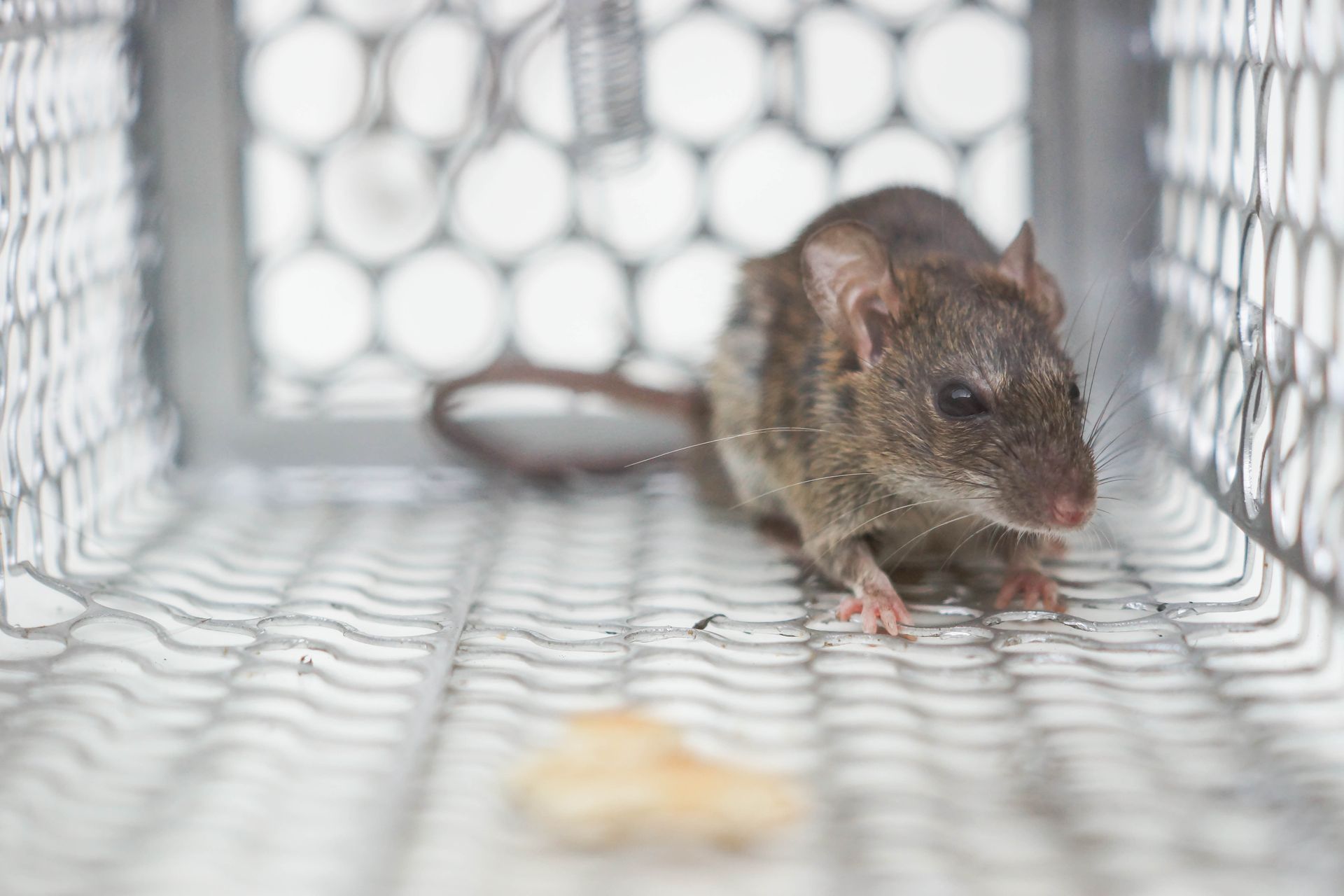
Wildlife can damage buildings when animals enter structures to find shelter or establish nesting areas. Squirrels and rodents may chew through insulation, wood, and electrical wiring, potentially creating fire hazards and expensive repair needs. Birds can also create problems when they nest around rooflines, gutters, and other building features. Identifying these issues early can help property owners address animal intrusions before additional damage occurs.
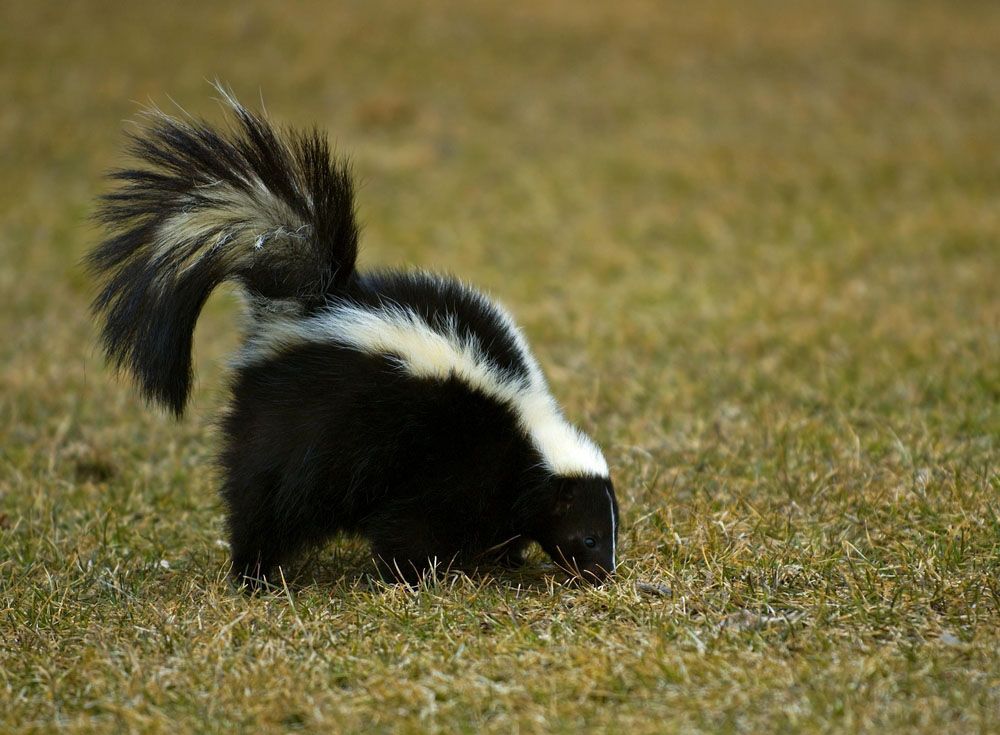
Attics, crawl spaces, garages, and areas beneath porches can provide attractive shelter for nuisance animals. Raccoons, bats, skunks, and other wildlife may enter through small openings and remain hidden inside a structure. Their presence can result in damaged insulation, unpleasant odors, and accumulated waste. Professional wildlife removal can address the animals while identifying openings that may allow them to return.
Preventing Wildlife-Related Health and Safety Concerns
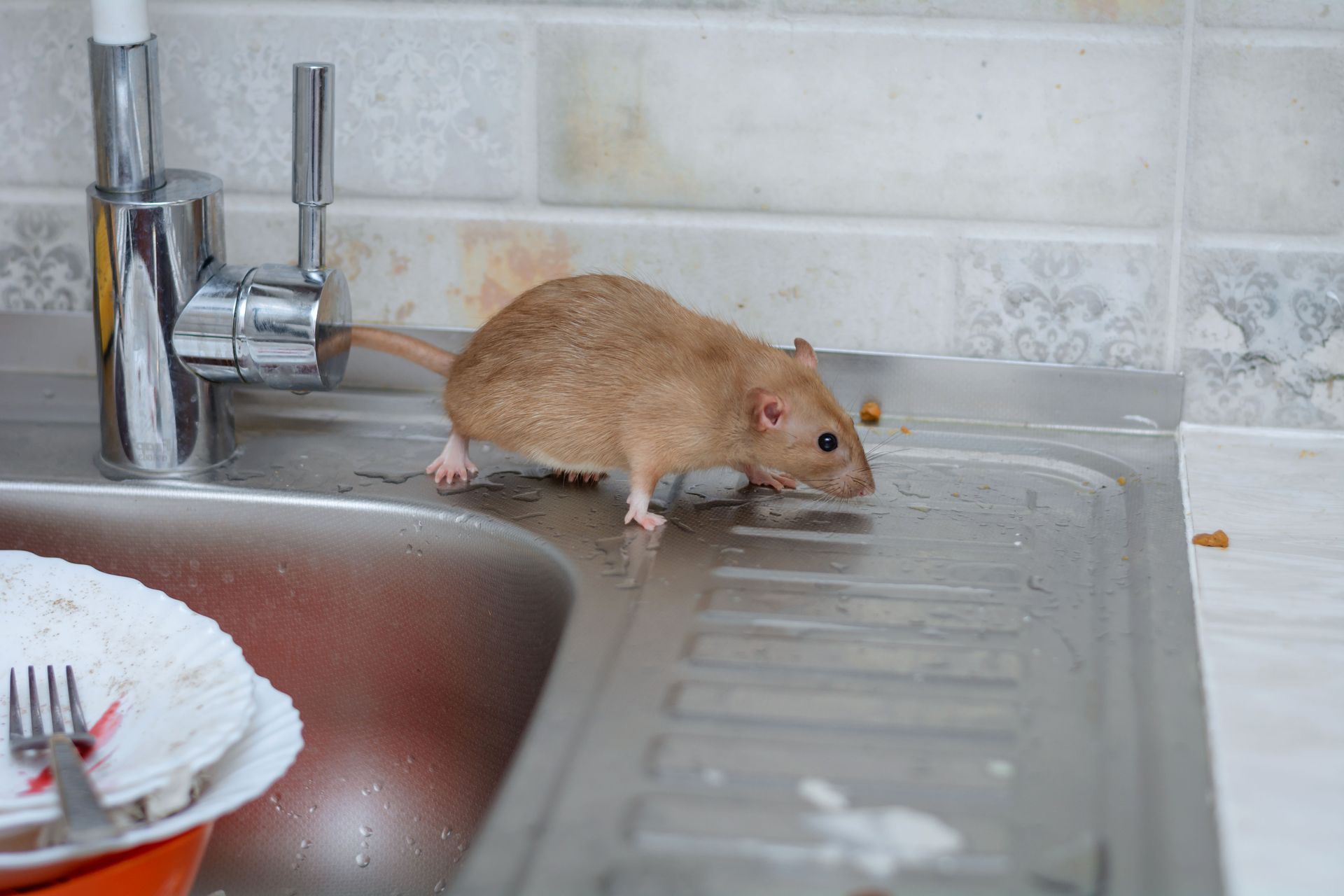
Unwanted wildlife can create health and safety concerns for people and pets. Animal droppings, nesting materials, and other waste can contaminate areas where animals have established themselves. Rodents may also damage electrical wiring and other building materials while moving through walls and enclosed spaces. Keeping a safe distance from unfamiliar animals and avoiding direct contact with wildlife can help reduce unnecessary risks.
Some animals may also become defensive when they feel threatened or are protecting their young. Skunks, raccoons, coyotes, and other wildlife can create safety concerns when they remain close to people, pets, or livestock. Bats and other animals may also require careful handling because of the health risks associated with direct contact. Property owners should avoid attempting to capture unfamiliar wildlife themselves and instead consider professional local wildlife control when animals become a recurring concern.
Managing Wildlife-Related Financial Concerns
Wildlife damage can create expenses that extend beyond the initial removal of an animal. Homeowners may need to repair damaged siding, replace insulation, address wiring problems, or restore affected landscaping. Agricultural property owners may also experience losses when wildlife damages crops or threatens livestock. Addressing animal activity before it becomes more extensive can help limit additional repair and maintenance expenses.
Recurring wildlife problems can also affect how property owners use their outdoor spaces. Animals nesting beneath decks, damaging gardens, or entering outbuildings can make certain areas difficult to maintain. Businesses may experience similar disruptions when nuisance animals access storage areas, buildings, or other parts of their property. Professional animal removal and prevention services can help address these concerns and reduce the likelihood of repeated intrusions.
Recognizing the Benefits of Wildlife Management
Wildlife serves several purposes within natural environments, including controlling insect and rodent populations, dispersing seeds, and supporting food chains. However, animal populations can become problematic when they grow beyond what an area can reasonably support. Overabundant deer, for example, may damage vegetation, affect agricultural operations, and increase the likelihood of vehicle collisions. Responsible wildlife management helps address these concerns while accounting for applicable animal protection requirements.
Different species require different management approaches. Bats may need carefully timed eviction and removal, while rodents often require trapping and exclusion to prevent additional activity inside buildings. Beavers can affect trees and nearby water systems, while Canada Geese may create problems around lawns, ponds, and other outdoor spaces. Understanding the animal involved is an important part of selecting an appropriate removal or management method.
Reducing Unwanted Wildlife Activity
Property maintenance can help reduce the conditions that attract unwanted animals. Securing garbage, limiting accessible food sources, and maintaining outdoor areas can make properties less appealing to wildlife. Homeowners should also pay attention to openings around roofs, foundations, vents, and other potential animal entry points. These steps can complement professional local wildlife control by addressing some of the conditions that contribute to recurring animal problems.
When animals have already entered a home or business, professional removal may be necessary. Effective wildlife management involves identifying the species, locating its entry points, and selecting an appropriate removal method. Depending on the situation, services may include trapping, bat eviction, rodent exclusion, or other approved animal management techniques. Addressing access points and repairing animal-related damage can also help prevent future intrusions.
Preparing Properties for Future Wildlife Activity
Wildlife activity can change throughout the year as animals search for food, shelter, and suitable nesting locations. Seasonal changes may bring increased rodent activity indoors, while other species may become more noticeable around yards, gardens, and outbuildings. Regularly checking properties for signs of animal activity can help owners recognize potential problems before they become more extensive. Property owners who notice repeated wildlife encounters should consider whether professional local wildlife control could help address the underlying issue.
Long-term prevention often involves more than removing an animal from a property. Sealing entry points, repairing damaged areas, and installing appropriate deterrents can help discourage animals from returning. These measures are particularly important when wildlife has previously accessed an attic, crawl space, or other enclosed area. Combining removal with repairs and prevention provides a more complete approach to protecting buildings and surrounding property. Regular inspections can also help identify new openings, damaged materials, or signs of animal activity before they develop into larger problems. Addressing these concerns early can reduce the likelihood of repeated intrusions and additional property damage.
Protecting Your Property From Wildlife Damage
Wildlife interactions can affect landscaping, building materials, property maintenance, and personal safety. Although many animals play beneficial roles in the environment, problems can develop when they establish nests, search for food, or enter buildings. Recognizing the signs of unwanted animal activity allows property owners to respond before damage becomes more extensive. Professional removal, trapping, exclusion, and repair services can help address these situations with methods suited to the animals involved.
Whether you're dealing with rodents in your attic, bats in your home, or nuisance animals around your property, taking action can help prevent additional problems. Aaron's Nuisance Animal Control provides experienced wildlife removal, rodent control, and prevention services throughout the Leslie, MI area and surrounding Mid-Michigan communities. Contact Aaron's Nuisance Animal Control to discuss your wildlife concerns and schedule professional assistance.